Sunday, November 13, 2022

Building Better: Improving Cross-Functional Collaboration in DEI

A DEI leader, HR leader, and Comms leader log on to Zoom. The topic? How we can be better partners and improve our collaboration to drive real change in diversity, equity, and inclusion. We had a lot to say (two hours worth of conversation!) so this blog is a two-parter.


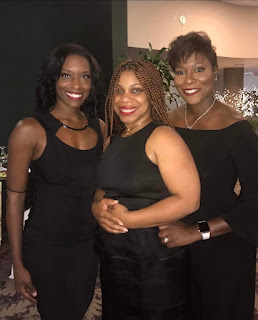
Photo montage of Bria, Terrence and Katura smiling

Part 1: Where We Are

Katura:
I’m really excited for this conversation. Before we jump in – cause I know we’re ready -- let’s introduce ourselves and share how we got into DEI. Terrence, you’re our guest on the blog, so you can go first.

Terrence: 
I'm an experienced HR leader turned business owner. I own and run Express Employment Professionals, a staffing agency with deep roots in the Houston community. My strengths are in change management, leadership development, and creating diverse and inclusive environments.

Bria:  
I probably have been doing DEI work my entire career without it being called that particular thing. I’ve worked in corporate as a project manager, nonprofit as strategy leader and as an independent consultant in multiple industries. Building high-performance teams, driving organizational strategy and taking a people-centric, stakeholder-focused approach shaped me into the DEI leader I am today.

Katura:
I come to DEI through my work as a communication leader. I started by doing some writing in support of corporate DEI and purpose initiatives years ago and expanded to more comprehensive DEI communication, including messaging for executives. Eventually I began developing and leading DEI initiatives: from managing ERGs and heritage events to launching education workshops and a sponsorship program.

---

Bria:
Terrence something you said once was that a COO you worked with was a champion for DEI.  I'm curious, what are the some of the things that he did or didn't do that make you consider him a champion?

Terrence:
The COO would always challenge our leadership team using the data, such as diversity Power BI’s that included overall and department specific diversity numbers -- both gender and ethnicity.  He was always looking at talent within the organization, wanting to understand where they are, what they want to do, creating succession plans for them, and having conversations with me (as an HR leader) about those individuals and their talents.

And when it came to programming, he’d find ways to create synergies or close gaps. I would go to him with proposals. He wanted to understand impact and desired outcomes. After thorough questions and analysis and he would give me the blessing to go ahead. If I got any pushback, at our next [team] meeting he would talk about the importance -- the why behind what we were doing and his expectation that they would support the programs or the initiatives. He understood the impact diverse teams had on an organization which made it easier for me to make an impact in the organization.

Bria:
The champion piece is huge. What I'm finding is that people don't know how to do the things that you discussed, Terrence. Challenging their peers, mentoring people not like them, sponsoring Black, Hispanic and Native people and women to get to executive levels of leadership, which is quite frankly, where it matters. What does it look like to actually give people the accoutrements that go with those big titles? And then supporting them with intentional action. You usually have a group of passionate folks who want to see change and say “let's go do this thing.” But without those champions who really have the cache and influence to implement initiatives and programs that hold people accountable for success or failure, people run out of fuel (passion). 

Katura:
When I hear champion, I think about the term “ally” and how many people want that title, but don't want the work that comes along with it. It's not a crown that you put on. There's real work behind being an ally, being a champion, being an advocate. I think some people really do believe they’re champions even if they haven’t done the work. They may say and truly believe, “Everyone is equal.” They might spout the “I don't see color” (which is problematic, but that’s another conversation.) But those things don't say anything about what you actually did. What action did you take in support of those beliefs?

Terrence:
And then they go back to Texas A&M to recruit engineers.

Katura:
Same old places! But what system did you help up-end?  Who did you stand up for? What thinking did you challenge?

Bria:
And that’s the important part right? How do people show up in action. I appreciate a good debate or discussion. One recurring discussion I remember having was about development programs being for everyone, not just diverse talent. Should everyone have development opportunities? Yes. Also, DEI leaders have to ring the bell and remind folks that employees from marginalized communities (not everyone) require additional support getting these opportunities (i.e., face time with leaders, identified for succession, etc.) because of historical and structural barriers.

It’s the same thing when we're discussing college recruitment strategy. Black and Brown students attend HBCUs and PWIs. So, when you’re recruiting at PWIs you also have an opportunity to connect with them through student organizations that focus on tech, engineering, law, business, etc. Most large professional organizations have student chapters on campus. If we’re not prioritizing in this way, it’s exactly what you’re saying Terrence, recruiters keep doing the same thing and DEI goals aren’t met.  

Gif of Katura giving a smiley side eye, Bria talking animatedly, and Terrence listening intently

Terrence:
That’s how I worked with my HR team to partner with DEI. Because they were the ones building those relationships with the collegiate chapters, and the national chapters of those organizations that you spoke with. I'm getting intel from DEI about the engagements that they have on campus. I'm sharing that information with the leaders of the organizations and coming back with recommendations: “We have to spend more time here; we have to invest money here.” We started doing a great job of attracting diverse talent. We created an interview process where we encouraged a diverse candidate pool before we moved forward. This allowed those who would typically be overlooked to at least have an opportunity to be interviewed.

So, you’ve got to have people who are willing to challenge leaders in those spaces. From an HR standpoint, that doesn't happen a lot because “they're the hiring managers, it’s their money, their hire – so they get to bring in who they want to.” No -- we have a strategy. We are trying to increase diversity across the board, not just diversity of thought. We want to see diversity from a gender standpoint, a race/ethnicity standpoint, etc. And we can't do that if we keep doing the same thing. So here's the plan. And of course, it's not [always] 100% right off the bat, but we will tweak it, and wherever the gaps are, we will fix them along the way. But we’ve got to have that feedback from everybody involved – from our DEI team, on the candidates that they are helping us identify, as well as in communicating what we're trying to do to increase diversity, which ultimately increases engagement of individuals who are already in the company. Then they see they have a path in this company as opposed to getting hired and then three years later, they have all the skill sets that they need to advance but nobody is even giving them an interview. Programs and initiatives, such as what we created, allow those individuals to get an interview. You’ve got to have people who are bold enough to challenge that and then work across the aisle to ensure that we are doing what's right and what will help the business advance. You also want to make sure we’re not setting the company back by doing it just because everybody else is – like it’s the flavor of the month. No, we’ve got to be intentional about it.

Katura:
Two points came to me when you both were talking. So many good ideas – great ideas – come from DEI professionals. We're resourceful and creative. Many of us come from marginalized communities, so we have to be. We may also want to be -- but it’d be nice if we didn’t have to be so resourceful sometimes. Anyway, what seems to happen is that someone else in the organization hears one of those ideas and says “everyone should experience that.” I don’t think there’s anything wrong recognizing a good idea and wanting more people to have that opportunity. But I do think we’re seeing a tendency to skip to equality when we haven't done the equity piece yet. Giving people from underrepresented, marginalized groups the access and opportunities that they’ve historically been denied – which is what initiatives like sponsorship programs do -- should come first. Then you expand to groups who haven’t experienced that historic marginalization. But you can't do that if you haven't done the equity work.

Bria:
So true. I’ve seen this jump to skip over the hard parts and pivot to diversity of thought and perspective because everyone has that, right? They skip equity because equity’s the hard part and look for ways to make everyone the same (i.e., we all have different perspectives). To have a conversation with your business leaders about pay equity, cross-level representation, accessible job descriptions is the hard part. As a DEI leader I have people come to me with these issues and I can escalate it, but I'm not HR. My role as a business partner is to advocate, educate and come up with great ideas.  But from an execution standpoint, my challenge has been that with other functions collaborating often looks like: we need the DEI leaders to go execute this.

Terrence:
At a previous employer, our DEI team saw what we were doing. They saw that the leader was involved and engaging well. So we had a great partnership. DEI had ideas and they would come to me asking if they could pilot them in our organization because our leaders understood the importance. We’d pilot the program, work out all the wrinkles and work with Comms to show the impact that the program was having and why we were doing it. My team was always partnered on initiatives from DEI. As HR practitioners, when you don't understand the impact of not having diverse teams, how can you really be the voice of the people, be a true partner to your organizations and make the company better?

Bria:
What happens to DEI in my opinion, too, is that it becomes an HR thing, a thing for HR to do versus HR really driving their leaders to do these things. It can't just be that every time we talk about DEI that Bria is the only one talking about it, or HR is the only group talking about it. This has to show up everywhere. So every all-hands meeting, webinar, town hall should have DEI in it in some way, shape or form. I worked with a leader who agreed diversity and inclusion needed a bigger priority in company-wide meetings, including strategy planning. Comms saw that as DEI having a speaking role in those meetings, but it’s really an opportunity for leaders to connect DEI to the business. If we’re talking about strategy for the company, why wouldn’t we talk about how inclusion and diversity is part of that strategy?

Terrence: 
That's a great point. I was in the room while leadership was creating their business plan for the following year. So I'm in those sessions, I'm working with them on the business plan. I hear what the business is looking to do, what their goals are, and I use that to create our people strategy. From a people strategy standpoint, I’ve identified things that we're going to do to help the business realize their goals. In our strategy meetings, I bring in the DEI team, Labor Relations, Comms and we have these conversations. So as my team and I are fleshing out what the people strategy is, we are pulling all these different groups in to see how we can partner on making this happen. The result is something that everybody has contributed to, and it's focusing on what the actual organization's business plan is.

We all must understand the end game. What are we trying to do this year? What is the business trying to do? And then how can we all leverage that information, and remove the landmines that the business might encounter? Ego must be put aside. Everybody is usually hierarchical, in their silos. We’ve got to make these structures secondary. The people are primary.

Bria:
Exactly Terrence, all business functions should be looking at this holistically. When we’re focusing on the strategic plan for the next year, that conversation focuses on growth and profitability. But how do you get to growth and profitability without inclusion and diversity? How do you get there without talent? How do you get there without a strategy in place for expansion into global markets that centers inclusion of diverse populations? We need to be able to tell the story of what we're doing, the role DEI plays, and how all of these things work together.

Katura:
I think you’re both speaking to a couple of great points. One, the importance of DEI strategy – not just having DEI programs. Two, the importance of DEI both being informed by and helping to inform company strategy. Another is how problematic it is for DEI to be in a silo regardless of the reporting structure. When DEI is siloed, what you get is: I'm planning a townhall. You have three minutes to talk about DEI. But that’s just providing a DEI update. How else is Comms supporting DEI? How is DEI woven into Comms and vice versa?

DEI won’t necessarily have a spot on every meeting or all hands agenda. Some companies do them weekly or twice a month.  You may not have anything to report every time. But DEI should always show up in Comms. For example: who's speaking during your all hands? If you lack diversity in your senior leadership ranks, that might mean you're putting the same people on the stage all the time. Who else you can bring to the stage? What other kinds of stories you can tell? How are you telling those stories?

Companies also can’t rely on Comms to serve as a defacto DEI. I see that sometimes with social justice issues - a heavy emphasis on statements. Yes, a well-crafted statement can be part of how a company responds to DEI or social justice issue, but it can’t be the only thing a company does. What are you doing to support and hold space for employees? How are you showing up in the community? Are you using this time to reexamine policies, practices and see where you can make your workplace safer, build more trust?

Our conversation continues next week with part 2. But in the meantime, we'd love to hear from you. What's your biggest challenge related to collaborating to drive impact in DEI?

Tuesday, February 1, 2022

What We Got from Family


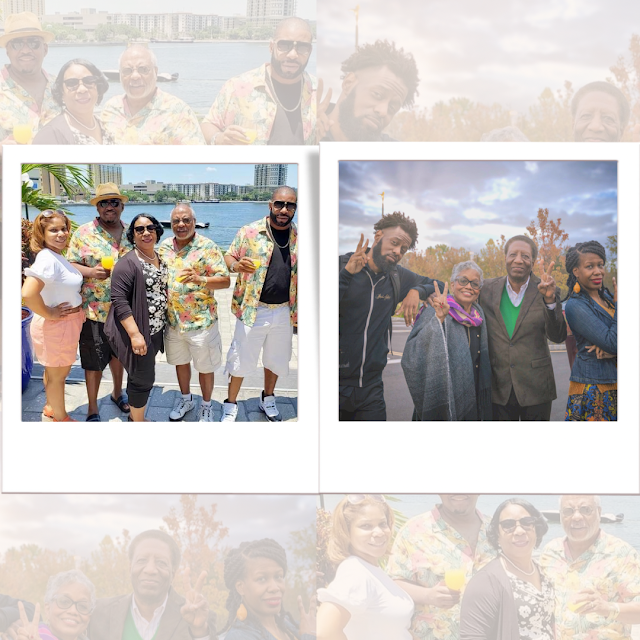
The Griffith and Hudson families. 
Hudson family photo courtesy of Stephan Hudson.


KH: A while ago I saw a post about generational trauma and the importance of remembering that there’s wisdom that's passed along to us too. With all the focus on healing, identifying unhealthy patterns, and doing the work to change them — it’s important to do more to recognize and tap into the good. And there’s so much of it. For Black History Month, I thought it would be dope to talk about all the good things that our families have passed along to us. 


brg: I really love that we’re learning new ways to ‘family.’ We’re understanding how generational trauma has affected us and redefining relationships, parenting and self-care. And to your point, our ancestors left breadcrumbs to help us both do the heavy work and find joy.


KH: So you know I'm gonna start with music. Now I can’t sing at all. But put me on that show Shazam and I’m winning. I can name a song within seconds of hearing the opening notes. And I swear that’s because of my family. My uncles are talented musicians. My aunt and both of my parents can sing. My uncle Curt & my cousin Eric even won a Grammy together last year. Now none of that talent came my way, but I do have that winning ear, and a deep love for live music.


brg: I can carry my weight holding a harmony or two, but I’m not a soloist! Sunday mornings were always my favorite music days: Gospel from my mom, Jazz, R&B and Funk from my dad, then they’d give the kids a freebie of what was popular at the time. I can’t remember a summer spent with my cousins that didn’t involve learning new songs. I know the song “Cassanova” by LeVert to this day because my big cousin Katisha made sure I knew every single word! 


Cousins April, Bria and Katisha

I also looked forward to building go-carts from lawn mower motors with my Uncle Walter, helping my Aunt Thressa prepare for family barbecues, going to the movies with my Aunt Lois who bought me my own popcorn that I didn’t have to share with my brothers. I learned to innovate and problem solve, connect with others and care for people.


KH: I got my side eye from my maternal grandmother, Mimi. 😁 She also used to always ask how I became so disciplined and goal oriented. But she earned her Bachelors from Hampton at 19 years old, traveled to France, and became a French and English teacher at both the high school and college levels. In the post-Depression, segregated south! She was in her late 80s and 90s when she was wondering about my discipline. I reminded her of the example she set for me, long before I was born. 


 Katura's maternal grandmother, Lillian Willis (Mimi) and her side eye.

brg: At the core, family is who we are; it’s at the heart of our humanity. Black family histories and traditions have been an integral part of this nation’s story and a foundational component to American culture and identity. One good thing that comes to mind for me is that family doesn’t mean blood. Can we celebrate play cousins?! Many of us grew up with cousins and siblings that were fostered and adopted through circumstances rather than courts. Those familial bonds are just as strong as the genetic ones. I feel like our ancestors taught us to love one another in that way.


KH: I met another Black woman who works in PR last week. Her last name is Hudson too and I called her cousin immediately!! Lol


I have a lot of biological cousins too. And genetics are really interesting. My cousin Kelli and I didn’t not really grow up together. I’d see her only here and there over the years. Our dads were super close growing up though. When my dad was writing his memoir, her dad was helping him remember details. They're that close. And when I tell you how similar Kelli and I are personality wise?! Especially when it comes to being straight shooters. It even surprises me sometimes. 


brg: I think we should also celebrate and lift up the regular stuff that our families have given us. Like how there are specific “jobs” when it comes to holidays - if it’s not your job to make potato salad and/or macaroni and cheese don’t make it or bring it. If you’re asked to bring ice and utensils, then we all know you can’t cook! I see that as two life lessons: stay in your lane (play to your strengths) and what’s understood doesn’t need to be explained :)


KH: Haaa!! My mom and I made the dressing together this past holiday season. Usually she makes it, and we wait alllll year for it, so I know that pressure! It's her recipe with some tweaks from my paternal grandmother, Ma Dear.


I always say that my first examples of giving came from Ma Dear. She didn’t not have a lot of money but if you were hungry, her door was always open and your plate would always be full. I learned that early from stories my dad would tell about growing up poor in Mansfield, LA. Giving from your overflow is one thing. But giving when you don’t have extra — that really stuck with me, and shapes my giving today. 


brg: Black men play a central role in our families. Black social media is usually ripe with hilarious illustrations of Black family member characters. I’m thinking about the uncle we all know with a cigarette hanging off of his lip giving you a laundry list of the necessary repairs for your car! I’m also thinking about fathers and grandfathers, brothers and cousins that provide stern and loving insight to steer you in the least harmful direction. 


KH: Shout to my uncle Raymond who came with me to buy my first car for that very reason!


There’s a content creator, itsjust_shaymoore on Tik Tok. Her videos have me hollering AND thinking we’re related. It’s an entire celebration of the Black family on her page. Including the mechanic uncle.


brg: I love her content! My family’s roots are Southern, which makes me love her content even more!


KH: What about parents? The best things you got from yours?


For me it’s being a solution creator. They started Just Us Books out of a need they saw decades ago for children’s books that celebrate and center Black folks. That takes initiative, drive, patience. I have two out of those three 😁. 


brg: My parents taught me to use what I have to help the overlooked among us. No one is too “small” to help. I was reminded of this a few years ago when my high school security guard, Myrna, reached out to me on social media. She was so sweet and told me she was proud of me. She even said I was cool! I spoke to support staff (security, lunch ladies, facilities, etc.) more than I did teachers and administrators and was keen to call out disrespectful behavior toward them. Now that I think about it, I’m the same way now.


Bria's parents on their wedding day


###


Bria R. Griffith is a multi-industry organizational leader on a mission to connect community and business to implement strategies that promote social and economic equity.


Katura Hudson is a writer and strategist with a passion for community; diversity, equity & inclusion; and New Edition.


Wednesday, August 25, 2021

Reimagining Rest

Black woman with long braids and glasses lying down with her eyes closed. She is lying on a mustard colored couch against an off white pillow

Rest:
“To cease work or movement in order to relax, refresh oneself, or recover strength.”

We’ve been writing this blog about rest for months. The reason it’s taken so long is probably because we don’t rest enough. We’re usually working — developing strategies, juggling countless projects, professional and personal commitments and favors. So what does it mean for two super doers to reimagine rest? We discuss. 


***


Katura: I had to actually look up the definition of rest because I’m still new to the practice. Rest used to mean sleep to me, especially as a kid. Now it looks like a lot of different things. Daydreaming, deep breathing, even just shutting my eyes for a few minutes. Rest also used to simply mean ‘not working.’ But now I know it’s more than that. It’s intentional and restorative. 


Bria: Rest definitely meant sleep to me until I became a real adult. I developed a habit of doing all the things, all the time and sleeping when I was completely spent. At some point though, I began to understand what my elders meant when they said, “I’m just resting my eyes.” The goal was not necessarily to sleep. It was more about resting their minds. I do remember them unintentionally falling asleep a few times though! But I’m learning how to calm my mind, not just my body with rest. 


A pool in Tulum, Mexico at sunset.
Bria resting watching the sunset in Tulum, Mexico pre-COVID. (She is not pictured, lol)

Katura: Ooh that’s good. Resting the mind is tough for me. And learning to rest is work! I’m unlearning the need to constantly be productive. Doing is a reflex. If I close my laptop, I’m still on my phone - reading, writing, brainstorming. If I sit still on my couch, before I know it, a To Do list is forming in my head and I’m tackling the first task. When I do rest - no phone, no laptop, no tv, talking or To Dos - my mind clears and my creativity soars. I get ideas for books and blogs and new strategies. Of course all of that is more work. So my next step on this journey is resting for rest’s sake. Letting my mind clear or soar and not feeling like I have to take action on it either way. 


Bria: I think it’s interesting that there are so many books and articles on sleep hacks for more productivity versus sleep hacks to just...sleep! I think this speaks to a larger discussion around equality and equity - what it means to be lazy, who gets to be lazy and grind culture. For so long, people in marginalized communities have been told that they don’t have material wealth  because they don’t work hard enough. Yet, these same people were relabeled “essential workers” during the pandemic while others escaped with their families to tropical locales. Thankfully, people are calling attention to these unhealthy aspects of dominant culture and reshaping the narratives. 


Katura: I’ve stopped using ‘lazy’ to describe a state of inactivity. Maybe we’re tired or just not interested in a particular task. And I’m so glad there’s more pushback on grind culture. It always seemed to be more about bragging than doing impactful work anyway. 


Katura sitting on a large stone in Mytoi Garden in Edgartown, MA. She is wearing a yellow skirt and a gray sweatshirt and is surrounded by green plants, trees and bushes
Katura resting at Mytoi Gardens in Edgartown, MA

Bria: I know you follow The Nap Ministry. What are your thoughts on rest as resistance?


Katura: Those Nap Ministry posts get me together. One of my favorite posts is “Harriet Tubman was stopping to pray and rest and had prophetic dreams while leading the Underground Railroad.” Even now, I can hear Tricia Hersey (Nap Ministry founder): instead of doing all this talking and writing about rest, go lay down! 


You and I talk a lot about radical self care, and rest is a part of that. Society expects us to earn rest by working hard. But if I never do any more work in life - I still need rest. Believing rest is a right is resistance. Especially for those of us who were taught we need to work twice as hard to get half as much. I’m rejecting that. And as someone who’s experienced serious burnout before, I’m trying something new. I want to rest before I get tired. 


Bria: A word! “Rest before I get tired.” Deciding to reject the double standard for work and reward was definitely a game changer for me. I’m learning to prioritize what matters most to me and establish healthy boundaries. Also, I’m human. Humans rest. It’s literally an operating system requirement, lol!


Katura: There’s a lot more on my mind, but I feel like we can use this time to put our words into practice. So last question: What’s your favorite way to rest? It’s the beach for me. If I can find a spot that’s not crowded, where I can hear the waves crashing - that’s perfect.


Bria: I heard the waves when I read that! I totally agree. Somewhere not crowded, feeling the sun on my face, surrounded by lush, green landscapes near water makes me feel connected. There is something about the sound of water moving that sets my mind at ease. 


Ted graphic that lists seven types of rest: physical, mental, sensory, creative, emotional, social and spiritual


Tuesday, March 30, 2021

Real Talk on Allyship


Katura: Let’s start with these photos. I wanted us to capture our expressions when we hear the word “ally.” What were you thinking?

Bria: This is my “Am I smiling?” smile. We talk a lot about authenticity these days, but for me, it’s more about truth telling. Calling a thing a thing. Seeing or hearing someone call themselves an ally has in a lot of ways become the “I’m a good person” siren. It’s less about what you say and more about what you do. It’s time for some action <in my Cypress Hill voice>.

Katura: When people say “I want to be an ally” I wonder what that means to them. Are they ready to work, to be uncomfortable, to give up some things — or are they looking for a title or a quick box to check? Allyship requires action, so what I’m hoping people mean is “I will speak up, show up, self-educate, be part of the solution.” If I hear “ally,” I’m listening, but for me, it’s more about what you do and say next. 


Katura: Let’s answer the big question. What is an ally?


Bria: An ally was supposed to be a person using their privilege to actively help marginalized and minoritized groups of people challenge, disrupt and dismantle systems and structures that create and are at the root of inequality and inequity. But in a lot ways it has become a passive means to pat oneself on the back for doing the least. As the Marines say, “Everybody wants to go to heaven. But nobody wants to die.”


Katura: Listen, you’re making me think of allies who lost their lives in the fight against injustice. Like Andrew Goodman and Michael Schwerner who were murdered along with James Chaney during Freedom Summer. But back to the question. You said an ally was “supposed to be….” Do you think ally has come to mean something different? 


Bria: I’m reminded more and more that allies are not created equal, that some do a whole lot and others high five themselves for hashtags on social media. I definitely appreciate more clear definitions for ally and I also think that more advanced words like accomplice and co-conspirator have popped up to emphasize that light and easy doesn’t move the needle. 


Katura: Some of the most powerful allies I know don’t even call themselves that. The title doesn’t matter to them. It’s about the work. (Shout to my friend E.) 


At TransformHer 2021, one of the speakers said “you don’t own the ally title, you earn it.”  Ally is also not a title you give yourself. Your actions will introduce you as an ally. That’s why I don’t love the focus on *being* an ally like it’s an achievement or destination. I’d rather talk about practicing allyship — focus on the work and the journey. 


For the record, I wanted to share this on-point  definition from the Oregon Coalition Against Domestic and Sexual Violence: “Allyship is an active, consistent, and arduous practice of unlearning and re-evaluating, in which a person holding systemic power seeks to end oppressions in solidarity with a group of people who are systemically disempowered.”

Bria: I really like that definition, particularly “unlearning and re-evaluating,” because there is inside (heart) and outside (community) work that is necessary to be an effective ally.


Katura: So what does allyship look like?


Bria: I can tell you what it doesn't look like! I watched an interview with Margaret Chinwe Anadu, Global Head of Sustainability and Impact for Goldman Sachs Asset Management, speaking about a new investment initiative Goldman Sachs announced investing $10B to advance racial equity and economic opportunity for Black women. Only three comments in, I see: “Don’t forget about white women!” She also included an angel emoji. <insert my selfie pic>

Katura: For me it looks like choosing justice over order. It looks like the opposite of microaggressions. Is there a word for that -- interactions of support that, over time, help remove barriers and create for marginalized people a sense of belonging? 


Bria: Do the work without fanfare or floodlights. Use privilege to promote equity and justice. Educate yourself on systems and structures of oppression. Call out microaggressions, macroaggressions, discrimination. 


Katura: And to build on your comment about what allyship is not...Allyship is not a favor...Allyship is not quid pro quo. True allies don’t expect people from marginalized groups to share their story, or educate them on an issue in exchange for allyship...Allyship is not a hashtag or black square on social. They can be a start to some real learning and action, but just that. A start. 


Katura: We’re not giving cookies, but can we give some suggestions? How can we all more effectively practice allyship?


My suggestion would be to de-center ourselves. Think of the change that needs to happen, the policy or practice or microaggression that needs to be addressed — then consider how we can use our position, influence, or resources to make a difference. It’s like gift giving. How often have we given someone a gift we wanted them to have, as opposed to what they actually wanted? Don’t make allyship about you.


Bria: I totally agree with you. The work is not about you. Actively listen. Don’t be a savior, work in solidarity. Pay attention to calls for support and support in the ways those affected have requested help. That goes back to what you said about giving gifts you want someone to have versus what they want or need. Amplify the voices of the marginalized and not your own. We’ve heard and read the stories of “allies” making big profit from the knowledge and research of Black and brown folks. Hold the media and content creators responsible for the messages they put out (or don’t put out). They control the story, the storyteller, who becomes the villain, the hero. Oftentimes this is how stereotypes are kept alive, biases are reinforced and culture is shaped. 


Katura: How has someone shown up in true allyship for you?


Bria: Sadly, I don’t have many examples, but it has happened. Recently, I had someone step up for me and quite frankly, there was no benefit to her. We didn’t get the desired outcome we wanted, but she promised me a fancy dinner for my troubles when the world opens up. We both know that a good glass of wine is not much of a consolation prize, but it’s an acknowledgement that fighting bias, barriers, prejudice and all the -isms that come with an intersecting identity requires constant care. 

Katura standing on the stand at the beach

Katura: Even though I asked the question, I don’t have a good answer. The examples I thought I had were actually illustrations of good leadership. Like a manager publicly recognizing me for leading a successful project. That’s important, but that’s not allyship. As you said, allyship can (and sometimes should) happen without fanfare — so I hope that’s the case for me and all of us who don’t have many personal examples to point to.


I do think more people are talking about allyship in action — not just the title and performative symbols like those pins that were popular a while back. I recently took Hollaback’s workshop “Bystander Intervention to stop anti-Asian and xenophobic harassment.” There were more than 3000 people in that session doing the work to understand what prejudice, bias, harassment and racism look like AND how to take action against them. We need so much more of that. The private messages of support and amplification on social are good; I see and get plenty of those. But how are we showing up beyond that? Especially when it comes to challenging the systems that support things like microaggressions and harassment. 


Bria: That’s a great point. It makes me think about the current state and future of the workplace. So much has changed since the pandemic began. Our interactions are largely virtual now and people can show up differently online than they do in person. I just read about a former teacher in California who spoke to a parent about her son’s academic progress and not realizing she hadn’t hung up the Zoom call went into a racist rant about this student. The teacher resigned, so the school district said there’s nothing to be done in terms of an investigation. As the nature of work and school continues to evolve and traditional dynamics shift, there will be an even greater need for allies. Needless to say there is much work to be done and people cannot be afraid to step up. Fannie Lou Hamer said, “Nobody’s free until everybody’s free.”


Bria: How we work has certainly changed, and for some of us, so has the way we relax and recharge. Spring has sprung! What are you looking forward to learning about yourself or others in the coming months?


Katura: Spring is my season! After such a long and cold winter, these random 70-degree, sunshiny days in Jersey are reviving me. I’m a March baby and I got to the beach (in NJ!) for my birthday. That was different but sooooo needed. I’m looking forward to continuing to reconnect with myself — hopefully in lots of sun and fresh air. What about you?


Bria: I wholeheartedly agree! I love this time of year. Unfortunately the pollen is alive and thick in my neck of the woods! So, I haven’t been able to test my roller skates outside just yet. However, I’ve started a new meditation series and I’m looking forward to uncovering more zen. Namaste.


Bria meditating


Bria R. Griffith is a multi-industry organizational leader on a mission to connect community and business to implement strategies that promote social and economic equity.


Katura Hudson is a writer and strategist with a passion for community; diversity, equity & inclusion; and New Edition.


Thursday, February 25, 2021

How Deep Is Your Love?


As we come to the end of a month dedicated to love and to the celebration of Black History, we wonder: how can we show Black people more love?


Bria: One way that comes to mind is showing Black people love without a tragic event being the impetus for care or concern. There are so many ways to impactfully love Black people without participating in empty, performative gestures. Let’s go deep people! Dig! Make it count (measure). Make it matter (impact). A card for Valentine’s Day is nice, but fixing the garbage disposal is sexy! Garbage disposal is both literal and figurative here. What are some ways you show Black people love?


Katura: Can I just say that this blog title has me singing Dru Hill in my head? But to answer your question: One of my favorite memes says “friends who shout Ayyyye when you dance are necessary.” It’s such a fun reminder that love and support show up (and out) in many ways. (Shout to my friend Jack who is the ultimate hype person.) I think another way to show Black people love is to “let” us just be. Sometimes expectations - even the seemingly good ones like ‘she’s an A student’ - are heaped so high it’s oppressive. Let’s give Black people room to change their minds, try something new, learn, say no. Let folks know they’re appreciated — period. We have a tendency to tie praise to accomplishments and appreciation to favors or acts of service. I think we need more ‘just because’ love. Personally, I show love by supporting and celebrating Black people, our stories, businesses and projects. What about you?


Bria: I just did the Dru Hill hop in my head! Showing Black people love with my time (commitments), my money (where and how I spend it) and my mind (offering my talents and skills) are the ways I show Black people love. I just want to help make room for Black people to live free and liberated, especially Black girls and women. So, whether I’m helping to flip tables or build them I want to participate in creating equity that currently does not exist. 


Bria: Love has been on my mind a lot since the beginning of this year. At the foundation of love - whether it’s for a partner, family, friends or the community - is self-love. How do you show yourself love?


Katura: So self-love and self-care look the same for me. You know I’ve gotten good at prioritizing self-care: knowing and honoring my boundaries, saying no, giving myself grace, carving out time for fun. One big area of growth for me is giving myself time to relax. Not necessarily sleep, but relax and allow my mind to wander instead of writing content or strategizing in my head. Once I turn that corner you won’t be able to tell me nothing!


Bria: Music stays popping up in my head when we talk! “Learning to love yourself is the greatest love of all.” I do see self-love and self-care differently with both being very necessary to moving toward fulfillment, freedom and liberation. I also believe that learning to love myself will be a til’ death do we part exercise. Showing myself the same grace and compassion I strive to show others is at the top of my self-love list. Letting kindness for myself manifest into self-acceptance.


Katura: My social media was a Black love fest this month: I posted a new Black business, org, or resource on my IG stories every day. I saw lots of people showing love that way too. I hope it continues. Beyond shouting out and supporting Black institutions, I also decided I would only watch programs that centered or celebrated Black folks this month. Between Netflix, Hulu, YouTube and good ol PBS, there was a lot of good content available. Plus I have “Eyes on the Prize” on dvd. I plan to watch a few eps on Feb. 28 to end the month right! Did you do anything special for Black History Month to show our folks love?

Bria: Since I was stuck on love, I read books by Black authors that focused on love. I watched content that focused on the beauty and resilience of Black love. I listened to music that celebrated Black love and Black people. Now I’ve got to think about how I want to end the month! I feel like a glass of Uncle Nearest on the rocks seems apropos.


Katura: So what’s your favorite love song? I’m going with “As” - Stevie.


Bria: You love asking questions that have 100 different answers! OK, I could choose multiple songs from this one artist, but this is one of my favorites: “Day Dreaming” - Aretha


Katura: What about your favorite ‘I love Black people’ song?


Bria: Currently it’s “Black” by Buddy. It solidly drives home the point.


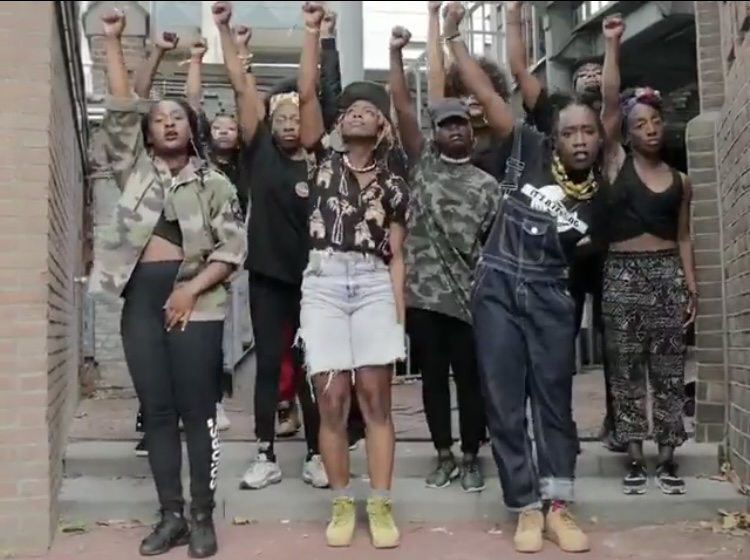
Katura: Right? That energy! And the video of the Black women dancing to it? In fact, let’s end with that: WATCH 


Bria R. Griffith is a multi-industry organizational leader on a mission to connect community and business to implement strategies that promote social and economic equity.
Katura Hudson is a writer and strategist with a passion for community; diversity, equity & inclusion; and New Edition.


Black History Month 2026: It’s Our Anniversary!

Katura : Every Black History Month, we remind folks: “We celebrate all year. February is just our anniversary.”   This year is an extra spec...